Smaller transistors make for faster, cheaper chips. Well, that used to be the case before AI came along and everything went a bit bananas. Still, a new report claims that TSMC is planning to begin manufacturing sub-1 nm silicon in 2029, which is kind of exciting.
There are few details in the Chosun Biz report other than the claim that their sources indicate TSMC is “set to begin trial production of sub-1-nanometer process semiconductors in 2029.” Trial production does not mean chips you can actually buy, which would follow in 2030 or even later.
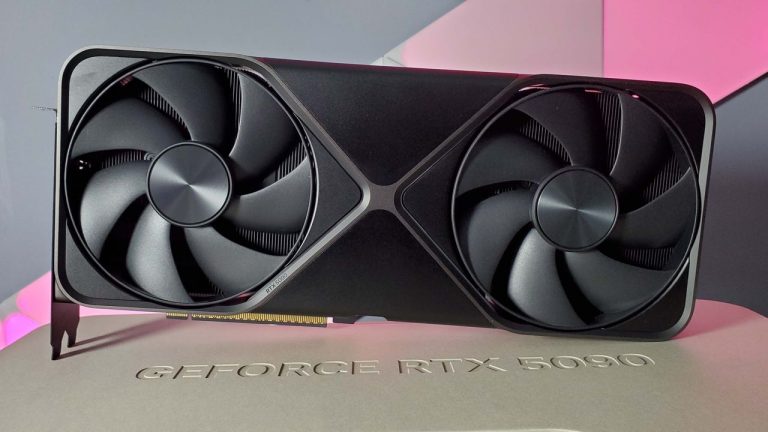
But given even the most advanced GPUs we can currently buy are produced on TSMC’s fairly ancient N4 node, such as Nvidia’s RTX 50 family topped out by the RTX 5090, which is itself derived from a 5 nm-class node, the implication here is that there is a roadmap of available TSMC nodes for many generations of GPUs, and indeed CPUs, to come.
Currently, the most advanced TSMC silicon you can have in your PC is actually found in Intel’s Arrow Lake family of CPUs, including the Intel Core Ultra 9 285K, which use TSMC’s N3B node for the compute tile. Meanwhile, TSMC is expected to begin manufacturing chips for sale on its upcoming N2 node later this year.
Apple will likely be the first customer to release an N2 chip in whatever new iPhone it releases in 2026, likely during its usual September slot. But AMD has said it intends to N2 for at least some of its upcoming Zen 6 processors, albeit it’s not yet entirely clear if that will be for both enterprise and consumer PC variants of Zen 6, or just the former.
Intel’s Arrow Lake chips actually offer the most advanced TSMC silicon you can currently get in a PC. (Image credit: Fritzchen Fritz)
Whatever, Chosun Biz also claims that TSMC plans to begin mass production of the node following N2 in 2028. Known as A14 in TSMC parlance, where the “A” stands for angstroms, the next unit of measurement down from nanometers, a 2028 release would put it exactly two years behind N2 and thus maintain a biennial cadence of rolling out a new node every two years.
As things stand, neither AMD nor Nvidia, typically regular customers of TSMC, have actually moved beyond TSMC’s N5/N4 class of nodes for consumer chips. Nvidia has said it will use N2 for its new Rubin family of GPUs, starting inevitably with AI chips, which are in production now.
We’re expecting Rubin gaming GPUs at some point next year, and those too are very likely to use TSMC N3 silicon. AMD’s plans are less clear, though. As mentioned, for server CPUs, AMD is skipping N3 and going straight to N2.
As to what nodes it chooses for its consumer CPUs and GPUs, we’ll just have to wait and see. But if it weren’t for that pesky AI boom bending chip prices out of shape, the future would look pretty bright for PC gaming chips, what with TSMC N3 already available, N2 due to come online very soon, A14 expected in 2028, and a new sub-1 nm node—perhaps pitched as A9 or similar—looking set for the end of the decade.