Hands up who among you thought Nvidia’s Vera Rubin superchips would be cheap? Good, I see no digits. However, according to a Morgan Stanley research report, the bill for a single VR200 NVL72 rack is estimated to add up to a cool $7,803,148, with $2,001,600 of those costs attributed to memory. That’s a 435% increase in memory cost over the GB300, if these figures are correct.
A snippet from the report looks to be making its way around various outlets, although we first spotted it via @Aaronwei3n on X. The figure is pretty eye watering, although given the vast amounts of hardware involved, it’s not too surprising. And being an outside estimate from an outside research report, I’d advise a small dose of salt.
Sheesh.$NVDA VR200 Bom Analysis from MS. pic.twitter.com/sutjttSkyWMay 21, 2026
The estimated costs here are said to be representative of what cloud service providers pay, not what it costs Nvidia itself to build one, despite the bill of materials tag. So, there’s likely a hefty markup on each item compared to what Nvidia has to spend to put together a rack.
Because Nvidia is in the business of making money—and it’s certainly succeeding right now. The company’s latest earnings call reported record revenue during the first quarter of 2026, to the tune of $81.6 billion. And yes, AI infrastructure and data center sales make up the vast majority of that moolah.
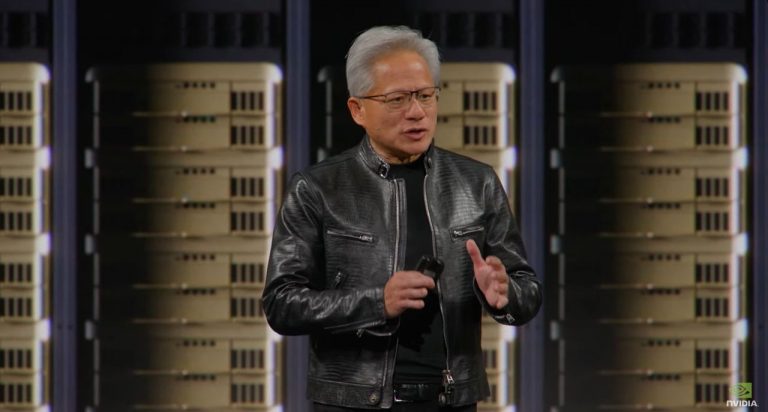
Nvidia’s Grace Blackwell AI GPUs have been hugely successful, but CEO Jensen Huang predicts Vera Rubin’s reign will be even better. Responding to an investor question, the leather-jacketed-one said: “Every single frontier model company will jump on Vera Rubin from the get go—and that was not true before on Blackwell.
(Image credit: Citadel Securities)
“Vera Rubin is off to a tremendous start, and it will surely be more successful than even Grace Blackwell”
But that memory cost figure… eesh. Us PC gamers (and indeed, electronics enthusiasts everywhere) have been putting up with massive price increases for pretty much any component using a memory module, as AI servers hoover them all up and constrain consumer supply.
And if you’re in the market for a data center full of Nvidia’s latest AI-crunching gear, it looks like you too will be spending vast sums of money on memory chips—if these figures are even close to accurate, that is.
Suddenly, a $300+ 32 GB DDR5 kit doesn’t look so ridiculous. Actually, scrap that. It absolutely is—but if Vera Rubin turns out to be the massive success that Nvidia predicts, it looks like memory manufacturers will still be focusing on the AI boom to boost their profits to ever-higher heights.