Nova Lake, the next-generation of Core processor, is set to launch at the end of the year. That’s no surprise, but with the ongoing memory crisis making upgrading your processor and motherboard a very expensive ordeal, we had worried for both Intel and AMD’s forthcoming generations.
In Intel’s Q4 earnings call, the company’s CEO, Lip-Bu Tan, confirmed the upcoming release window for Nova Lake:
“Along with our next-generation Nova Lake coming at the end of 2026. We now have a client roadmap that combines best-in-class performance with cost-optimized solutions giving me confidence that we are on the path of 45% market share and profitability in both notebooks and desktops over the next several years,” Tan said (transcript via SeekingAlpha)
Nova Lake could be a big improvement over Arrow lake. I’m not getting my hopes up just yet, but it’s rumoured to include a big last level cache (literally called bLLC) that will act as an analogue to 3D V-Cache on AMD Ryzen chips. Moreover, VP John Pitzer said he thought Intel would hold a leadership position with the launch of Nova Lake.
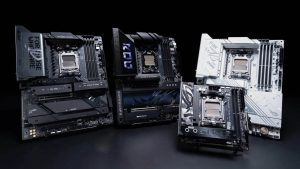
Though Intel will have to produce a very strong chip to both catch up to AMD’s dominant X3D lineup and convince people to ditch their existing setups in favour of an Intel socket. Traditionally, Intel has not supported its sockets for very long—case and point, the LGA1851 socket for Arrow Lake is likely going to be dead and gone by Nova Lake.
Though as memory constraints hit our hobby hard, Intel confirms it is also constrained for supply. During the earnings call, one analyst from Morgan Stanley, Joseph Moore (fitting name), asks the company’s CFO if they can shift more supply to meet large datacenter demand. Thankfully, Intel doesn’t flatly oblige.
“We’re absolutely constrained, Joe,” says Zinsner. “So what we’re doing within client we’re focusing on the mid- and high-end and not as focused on the low-end. And then to the extent we have excess, we’re pushing all of that into the datacenter space to meet that customer demand. And I think you’ll see some share adjustments based on that because our primary focus is to our main customers.
“And obviously, we have important customers in the datacenter side. We have important customers in both datacenter and client and that needs to be our priority to get the limited supply we have to those customers.”
(Image credit: Future)
So, that’s more of a push for high-end Intel chips in client. Whether this affects Nova Lake is undetermined, however, it would have likely only ever been the high-performance K-series chips that launched at the end of this year anyways. That’s the pattern throughout recent Intel history: K-series first, rest follow.
This plan of attack might go some ways to explaining why Intel has not announced a refresh of Arrow Lake yet. Certainly on the cards at points, according to rumours and benchmarks, if large volumes of chips aren’t possible or necessary, and the high-end isn’t going to sell due to performance concerns, perhaps the best course of action is to start fresh with Nova Lake later in the year instead.
There’s a chance we’ll see Arrow Lake relaunched and refreshed in the next few months, if only to please Intel’s partners with new chips. Though I doubt there’ll be much of interest for gamers until Nova Lake turns up. And even that may be a tough sell.
In the meantime, Panther Lake is shaping up very nicely for thin-and-light laptops, and perhaps a handheld too. So Intel has got some of its mojo back. Though it didn’t arrive early enough to save Intel from a dip in revenue over Q4—$13.7 billion, down 4% year-on-year.