Just a couple weeks after Google seemingly spooked game company investors with its AI-powered “world model” Project Genie, engine maker Unity says it’s chasing the same digital dragon, and that “AI-driven authoring” will be one of its major focuses in 2026.
“At the Game Developer Conference in March, we’ll be unveiling the beta of the new upgraded Unity AI, which will enable developers to prompt full casual games into existence with natural language only, native to our platform, so it’s simple to move from prototype to finished product,” Unity CEO Matthew Bromberg said during Unity’s Q4 financial results last week (via Game Developer).
Unity’s new AI assistant “will lower the barrier to entry, raise productivity for existing users and democratize game development for non-coders,” Bromberg said. “Our goal is to remove as much friction from the creative process as possible, becoming the universal bridge between that first spark of creativity and a successful, scalable and enduring digital experience.”
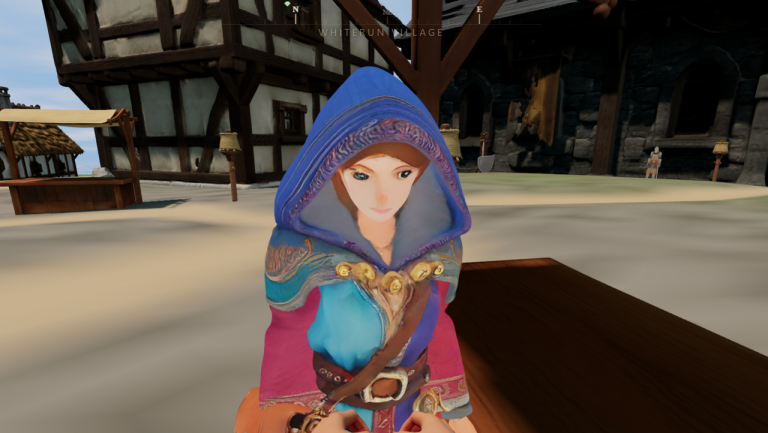
Anything’s possible, as my father used to say when I told him I wanted a million dollars and a pony for my birthday. But likely? I won’t judge, but I will cast my eyes over to Project Genie, which as The Verge said after some experimentation produced results “much worse than an actual handcrafted videogame or interactive experience.”
Bromberg’s specific references to “casual games” is presumably meant to temper expectations, but it also relies heavily on the presumption that casual games suck as a rule, which is simply false. (I’m not even sure how “casual games” are being defined here, except as a stand-in for “games that suck,” which I don’t see as an especially strong selling point for Unity AI.)
Bromberg touched on Project Genie directly during the Q&A portion of the financial call, describing the Google and Unity systems as “complementary, not duplicative,” and saying that “world models are going to be a source of inspiration and assets for creators, but that they are not in any way going to replace game engines.”
He also expressed some pretty big ambitions for Unity’s AI-powered future: “There are going to be tens of millions of more people creating interactive entertainment driven by AI making these tools more accessible to tens of millions more people.” That statement sounds not too far off comments made by Electronic Arts CEO Andrew Wilson in 2024, just after the bong rip hit.
2026 games: All the upcoming games
Best PC games: Our all-time favorites
Free PC games: Freebie fest
Best FPS games: Finest gunplay
Best RPGs: Grand adventures
Best co-op games: Better together