Remedy Entertainment’s new CEO is Jean-Charles Gaudechon, a former Electronic Arts and CCP Games executive who most recently headed up a couple of sports betting platforms.
Gaudechon is not a name you likely recognize from his time at EA or CCP, but Remedy said he “held senior executive positions with full P&L responsibility” at both companies—P&L being profit and loss—and right now, that’s apparently what they’re looking for.
“I am delighted to announce the appointment of Jean-Charles (JC) Gaudechon to lead Remedy into a phase of profitable growth,” Remedy chairman Henri Österlund said. “His proven history in growing gaming franchises and successfully leading international studios is an excellent fit to the current stage of Remedy’s business.
“Under JC’s leadership, we are well-positioned to significantly accelerate growth, guide Remedy towards greater independence through self-publishing, and deliver sustained value to our players, partners, and shareholders.”
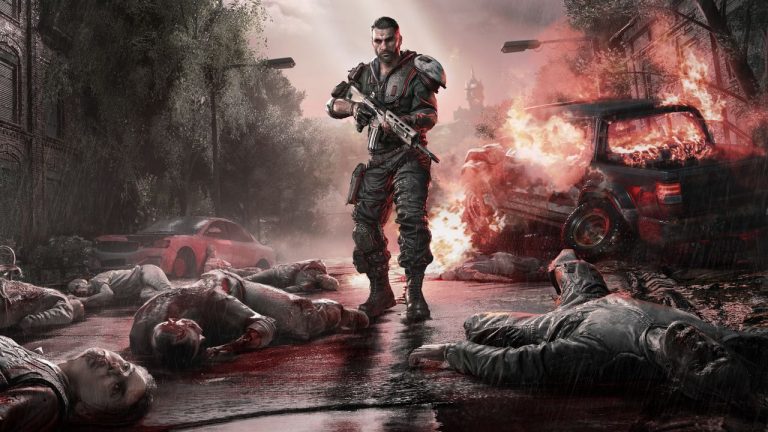
That, in a nutshell, is how Remedy ended up needing a new CEO in the first place. It makes critically acclaimed games, but not a lot of money: Alan Wake 2 probably would have dominated the awards scene in 2023 were it not for Baldur’s Gate 3, and yet took well over a year before it started turning a profit.
But the 2025 release of FBC: Firebreak was a disaster even by that standard: Remedy was forced to issue a profit warning to shareholders just a few months after its release, and shortly after that, then-CEO Tero Virtala stepped down after nine years in the role. Remedy subsequently reported a 32% decline in revenues year-over-year, and an operating loss of €16.4 million ($19.5 million) in its Q3 financial results.
“The studio has a unique creative identity and a strong pipeline,” Gaudechon said. “My commitment is to protect what makes it special, deliver exceptional games, and scale Remedy in a way that builds lasting value. Remedy has the voice and the ambition to be a pillar of the industry’s future. We will stay close to players, earn their time and trust, and strengthen our independence in how we build and publish our games, while continuing to work closely with the partners who have supported us along the way.”
That’s not necessarily alarming, but it is ominous to my ears: “Scale Remedy in a way that builds lasting value” sounds very much like the sort of thing a game industry executive says a few months before laying off 30% of a studio’s employees.
That’s not a prediction, to be clear, and I really hope I’m reading too much into it. But handing the top job to someone whose history in the industry, based on his LinkedIn page, was focused primarily on monetization and streamlining operations suggests to me that Remedy’s near-term future may not be entirely pleasant.